
Is East Africa Safe? Travel Safety Before You Visit Africa.
Is East Africa safe for travellers? Learn essential travel safety tips for Kenya, Tanzania, Uganda, and Rwanda before planning your African safari with experts. East Africa is one of Africa’s most rewarding regions for wildlife safaris, gorilla trekking, cultural journeys, and scenic adventures. Kenya, Tanzania, Uganda, and Rwanda welcome large numbers of international visitors each year, and many safari destinations operate with established tourism infrastructure, professional guides, lodges, park authorities, and security procedures. However, asking “Is East Africa safe?” is more useful when considered country by country and destination by destination. Travel advisories can identify specific areas where additional caution or avoidance is recommended, so travellers should check current government guidance before departure rather than treating the entire region as one safety category.
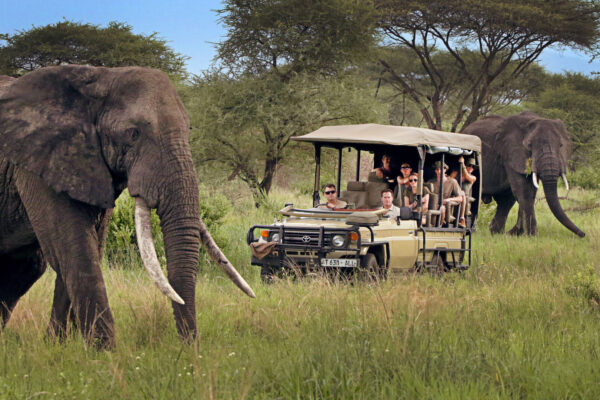
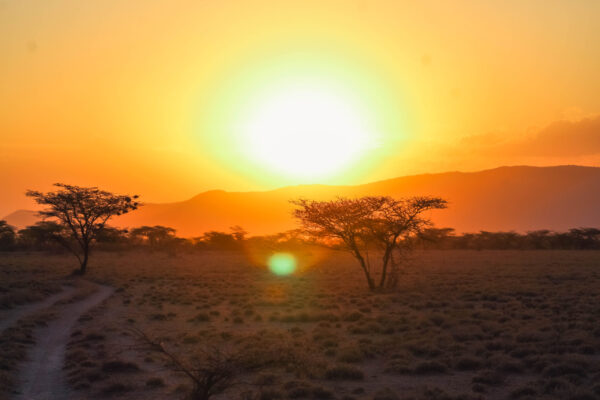
Is Kenya Safe for a Safari?
Kenya remains a major safari destination, particularly for travellers visiting the Masai Mara, Amboseli, Tsavo, and Lake Nakuru. The U.S. State Department currently advises travellers to exercise increased caution in Kenya because of crime, kidnapping, terrorism, unrest, health concerns, and traffic safety, while identifying specific areas where stronger restrictions apply.
For safari travellers, choosing an established itinerary and using professional safari transportation can make a significant difference. Visitors should follow their guide’s instructions, avoid unnecessary travel into areas subject to government warnings, protect valuables, and remain alert in cities and crowded places. The U.S. advisory also highlights road safety as an important consideration, making responsible driving and experienced safari operators particularly important.
Is Tanzania Safe for a Safari?
Tanzania is renowned for the Serengeti, Ngorongoro Conservation Area, Tarangire, and Zanzibar, and safari tourism is an important part of the country’s travel infrastructure. Current UK travel advice identifies specific areas requiring additional caution, including locations close to the Mozambique border and some areas around the Tanzania-Burundi border and Kigoma. It also notes that some national parks are extremely remote, where emergency access and evacuation can be difficult.
This makes preparation particularly important for travellers visiting remote wilderness areas. A reputable safari operator should use suitable vehicles, experienced guides, established accommodation, and properly planned routes. Visitors should also follow park regulations and wildlife-viewing instructions, particularly when close to wild animals.
Is Uganda Safe for Travellers?
Uganda offers outstanding opportunities for gorilla trekking in Bwindi, chimpanzee tracking in Kibale, and wildlife safaris in Queen Elizabeth and Murchison Falls National Parks. However, travellers should pay close attention to current regional security information. UK advice highlights particular concerns around western Uganda and areas close to the Democratic Republic of Congo border, where previous terrorist attacks and localised violence have occurred.
Travellers should therefore rely on established tourism routes, follow local authorities’ guidance, and avoid areas subject to travel restrictions. A professional safari company can also monitor route conditions and make appropriate adjustments when circumstances change.
Is Rwanda Safe for Tourists?
Rwanda is widely recognised as an organised destination with relatively low levels of ordinary crime in many areas, and Kigali, Volcanoes National Park, Akagera, and Nyungwe are important tourism destinations. Nevertheless, current travel advice identifies elevated risks near the Democratic Republic of Congo border. The U.S. currently advises reconsidering travel to Rwanda overall and says travellers should not travel within 10 kilometres of the DRC border because of unrest. The UK similarly advises against all but essential travel to parts of Rusizi District near the DRC border.
This distinction is important: travel safety in Rwanda should be assessed based on the specific destination and current conditions, rather than assuming that a warning about one border area applies equally to every tourism destination in the country.
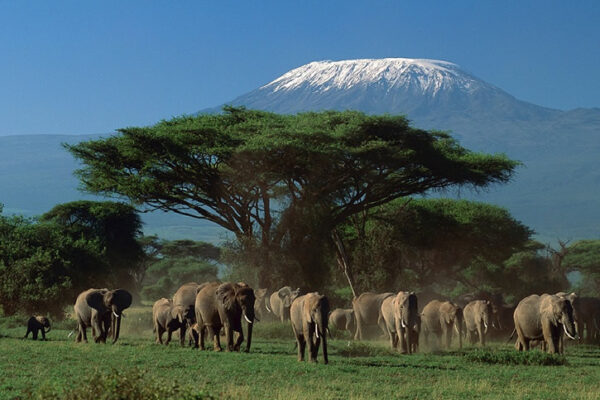
What Are the Main Safety Considerations in East Africa?
1. Follow Current Travel Advisories
Travel conditions can change. Before leaving home, check your government’s latest travel advisory for every country and border crossing included in your itinerary. This is especially important for multi-country safaris.
2. Use a Professional Safari Operator
A reputable safari company provides more than transportation. Experienced guides understand wildlife behaviour, park regulations, road conditions, accommodation arrangements, and local operating procedures. They can also adjust an itinerary when circumstances require a change.
3. Respect Wildlife
Wild animals are wild, even when they appear accustomed to safari vehicles. Remain inside the vehicle where required, maintain the distance instructed by your guide, and never attempt to approach, feed, or provoke wildlife. Park regulations and guide instructions should always take priority.
4. Take Road Safety Seriously
Long-distance road travel is common on East African safaris. Travellers should use reputable vehicles, wear seat belts, avoid unnecessary night driving, and allow experienced local drivers to handle challenging routes. Road safety deserves as much attention as wildlife and security planning.
5. Protect Personal Belongings
Petty theft can occur in urban areas and busy locations. Keep passports and valuables secure, avoid displaying expensive items unnecessarily, and use accommodation and transportation arrangements recommended by trusted operators. Rwanda and Uganda travel guidance specifically highlights theft and personal-security precautions.
6. Be Careful Around Borders
East Africa contains several regions where neighboring-country conflicts can affect border areas. Travellers should not assume that a border crossing will always operate normally. Check current information before crossing between Kenya, Uganda, Rwanda, and Tanzania, particularly when travelling near the DRC, Burundi, Somalia, or Mozambique borders.
How Rift & Ridge Safaris Helps You Travel Safely
At Rift & Ridge Safaris, safety should be part of the safari planning process from the moment an itinerary is designed. Our approach is to match travellers with suitable destinations, reliable safari transportation, experienced local guides, reputable accommodation, and carefully planned routes. We also recognise that safety information can change, which is why travellers should receive current destination guidance before travelling.
Whether your plans involve the Masai Mara, Serengeti, Ngorongoro, Bwindi, Kibale, Volcanoes National Park, or a multi-country East African safari, the goal is to combine responsible planning with the freedom to enjoy Africa’s extraordinary wildlife and landscapes.
So, Is East Africa Safe?
Yes, many travellers visit East Africa safely every year, but no international destination can guarantee zero risk. The most responsible approach is not to ask whether an entire continent is simply “safe” or “unsafe”. Instead, evaluate the individual country, destination, season, route, and current travel advisory.
For a safer and more enjoyable safari, plan with current information, choose experienced local professionals, respect wildlife and local regulations, maintain appropriate personal awareness, and remain flexible when conditions change. At Rift & Ridge Safaris, we believe good safari planning should give travellers both unforgettable wildlife encounters and the confidence that their journey has been thoughtfully organized.